Flood Watch Takes Effect at Noon as City Braces for Flash Flooding Through the Evening
 By Elena Vasquez · August 27, 2026 · 3 min read · Edited by Dominic Ferreira
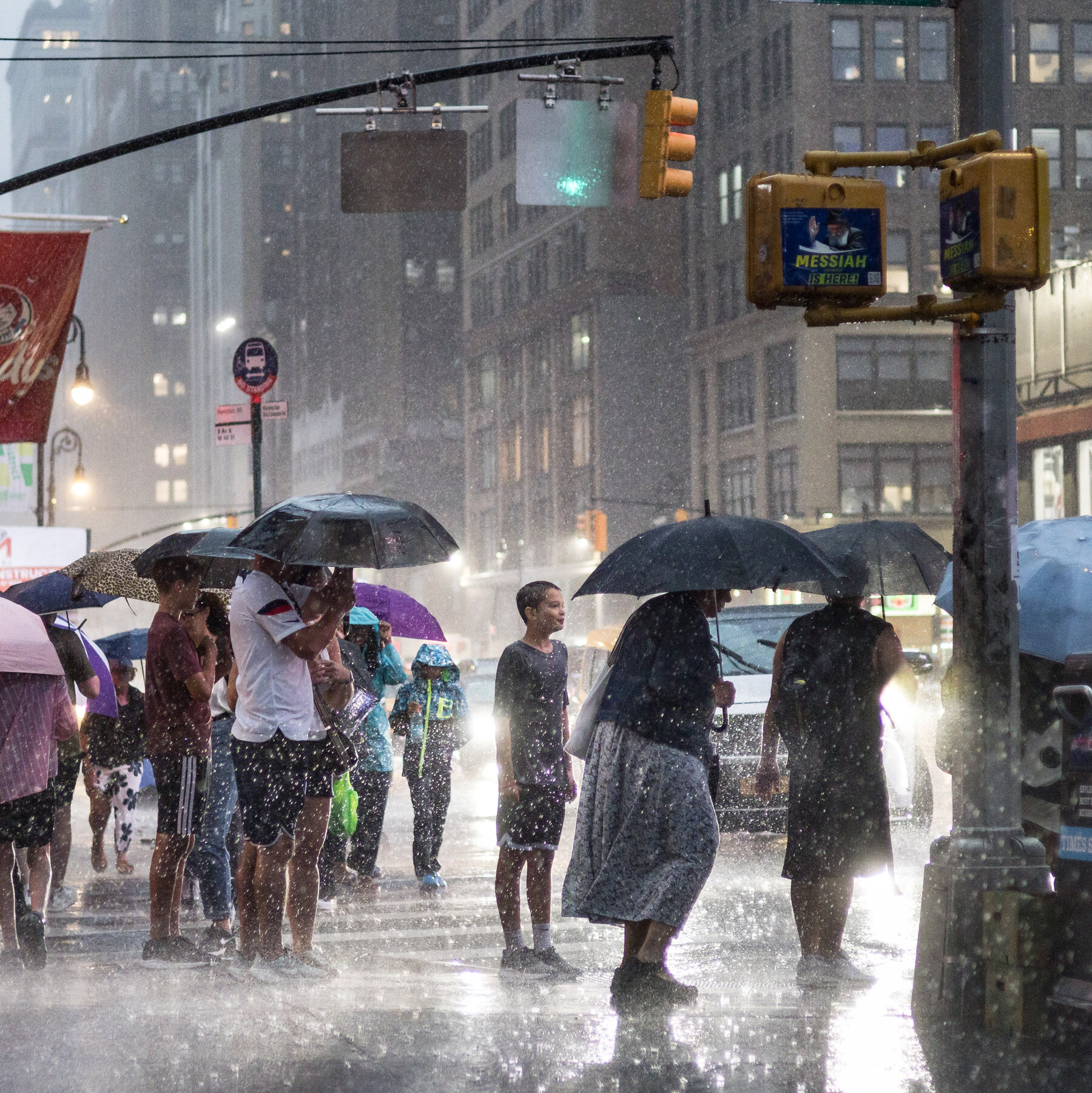
City officials placed New York under a flood watch beginning at noon Thursday, warning that thunderstorms rolling through the region could trigger flash flooding across the five boroughs during the afternoon and evening. The Emergency Management Department paired the watch with a travel advisory, urging residents to build extra time into their commutes and prepare for conditions that could deteriorate quickly.
Forecasters expect scattered storms to develop around midday and strengthen through the afternoon, with the heaviest cells arriving as the evening rush gets underway. Because the storms are expected to move slowly, any single neighborhood could see rain fall fast enough to overwhelm storm drains and send water pooling onto roads, into subway stations and through basement windows within minutes.
The city's sewer network, much of it laid more than a century ago, can handle roughly an inch and a half to an inch and three-quarters of rain per hour under ideal conditions, a threshold that modern downpours regularly shatter. When rainfall rates spike beyond that capacity, the excess has nowhere to go but up: out of catch basins, across intersections and down stairwells.
Low-lying corridors face the greatest risk. Past storms have turned stretches of the FDR Drive, the Major Deegan Expressway and the Cross Bronx Expressway into impassable channels, and subway lines with open-cut and elevated sections have halted service when water cascaded onto the tracks. The Metropolitan Transportation Authority typically pre-positions pumps and emergency crews at flood-prone stations during such watches, but officials caution that even a brief cloudburst can force delays and suspensions.
When rainfall rates spike beyond that capacity, the excess has nowhere to go but up: out of catch basins, across intersections and down stairwells.
The day’s essential NY Webtimes reading, in your inbox before breakfast. Free, no spam.
The watch carries particular weight for the tens of thousands of New Yorkers living in basement and cellar apartments. When the remnants of Hurricane Ida struck on Sept. 1, 2021, record rainfall, more than three inches in a single hour in Central Park, killed 13 people in the city, 11 of them in below-grade homes, most in Queens. Officials on Thursday urged anyone in a basement unit to know their exits, keep pathways clear and move to a higher floor at the first sign of rising water.
City agencies spent the morning on preparation. Department of Environmental Protection crews cleared leaves and debris from catch basins in neighborhoods with histories of flooding, and Emergency Management coordinated with sanitation, transportation and utility teams under the city's flash flood emergency plan, developed after Ida exposed deadly gaps in the response to sudden storms. Officials asked residents who can do so safely to clear grates on their own blocks, noting that a single clogged basin can flood a street corner even in moderate rain.
For the evening commute, officials advised drivers never to enter flooded roadways, stressing that a foot of moving water can carry away a car, and told subway riders to expect slower service and possible suspensions. Pedestrians should avoid underpasses and low spots where water collects fastest, and anyone caught in a stalled vehicle in rising water should abandon it and move to higher ground.
Residents can sign up for Notify NYC, the city's free alert system, which pushes warnings by text, email and phone in more than a dozen languages. Emergency planners also recommend charging phones early, moving valuables and documents off basement floors and keeping a go-bag ready with medications, flashlights and identification.
Heavy-rain events have grown more frequent and more intense across the Northeast, a trend federal climate assessments tie to a warming atmosphere that holds more moisture. The city has committed billions of dollars to long-term fixes, including cloudburst parks engineered to store stormwater, expanded Bluebelt wetlands on Staten Island and larger sewer mains, but officials concede the construction will stretch over decades while the storms keep arriving now.
The flood watch remains in effect through the evening, with conditions expected to improve overnight as the storms push offshore. Officials said they will update advisories as the forecast develops and urged New Yorkers to check alerts before heading out for the night.
Last updated September 1, 2026. Reporting by Elena Vasquez. Corrections: newsroom@nywebtimes.com.
Conversation (5)
Printed this out for my dad. He doesn't do websites. He called me about metro twenty minutes later.
My neighbor clipped this out of the paper edition and brought it over. That tells you something about how metro lands with regular folks.
Longtime reader, first time commenting. This one got me. metro affects my street directly.
Finally a paper willing to put metro in plain language. Shared it with my brother, he never reads anything and he read this one.
Sent this to our group chat and it started a whole argument. In a good way. More on metro please.