Mamdani Recruits CEOs to New Business Advisory Council, Extending an Olive Branch to Wall Street
 By Marcus Delgado · August 26, 2026 · 3 min read · Edited by Rebecca Okafor-Lindt
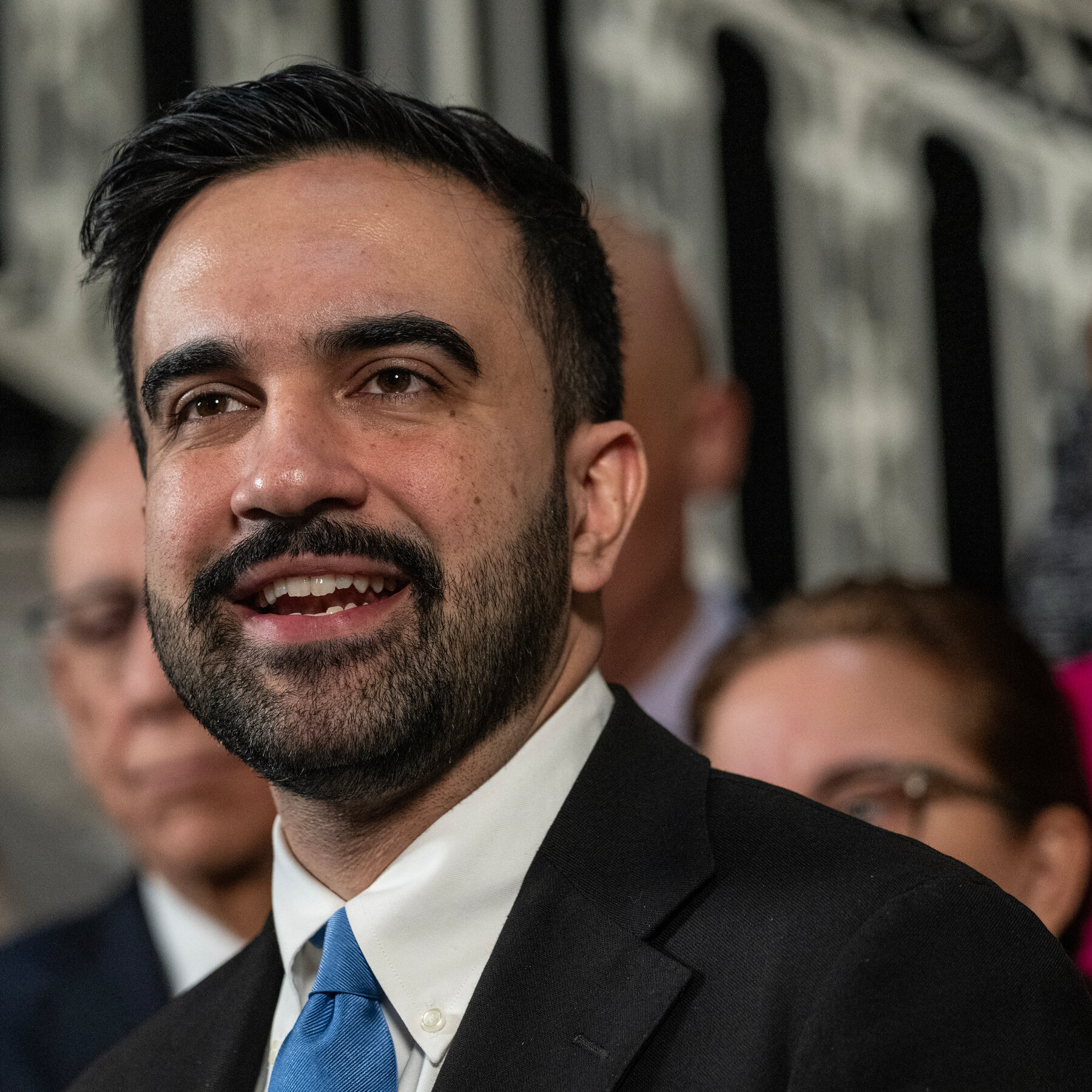
Mayor Zohran Mamdani has persuaded a group of prominent chief executives to join a new business advisory council, his most direct overture yet to a corporate establishment that spent much of last year's campaign warning that his election would drive jobs and investment out of New York City.
The mayor, a democratic socialist who has struggled to win over Wall Street, intends to use the council to help invigorate the city's economy, according to people familiar with the plan. The body will give top executives a formal channel into City Hall on issues ranging from job creation and business retention to permitting, commercial real estate and the quality-of-life concerns that corporate leaders routinely cite when deciding where to expand.
The outreach marks a striking turn for a mayor who ran unapologetically to the left of the city's business class. Mamdani won office on an affordability platform built around fare-free buses, a freeze on stabilized rents, city-owned grocery stores and an expansion of child care, financed in part by higher taxes on corporations and the wealthiest New Yorkers. Financiers and real estate executives poured money into efforts to stop him, and some openly predicted an exodus of firms if he prevailed.
Since taking office in January, Mamdani has waged a methodical charm offensive. He has met privately with executives across finance, technology, real estate and retail, appeared before business groups that once opposed him, and repeatedly argued that his affordability agenda and a thriving private sector are not in conflict. The advisory council institutionalizes that pitch, converting a series of one-off meetings into a standing relationship.
Few modern mayors have entered City Hall with as much ground to make up with the city's executive class.
The day’s essential NY Webtimes reading, in your inbox before breakfast. Free, no spam.
The executives who agreed to serve face a full agenda. Midtown and Lower Manhattan office towers still carry elevated vacancy rates years after the pandemic reshaped work patterns, employers complain about slow permitting and unpredictable regulation, and companies weighing expansion often measure New York against lower-cost rivals in the Sun Belt. Council members are expected to press the mayor on public safety, transit reliability and the city's tax burden, while the mayor presses them on hiring, wages and keeping headquarters in the five boroughs.
Skepticism runs in both directions. Many of the mayor's signature revenue proposals require approval in Albany, where legislative leaders have their own ideas about taxing the wealthy, and business leaders privately question whether dialogue will soften his commitment to those plans. Several executives described their participation as an opening for engagement rather than an endorsement, a distinction City Hall appears willing to accept for now.
Every modern mayor has courted the business community in some form, but few have entered office with as much ground to make up. Where Michael Bloomberg governed as a fellow billionaire and Eric Adams cultivated donors in nightclubs and boardrooms, and where Bill de Blasio spent eight years in open friction with the executive class, Mamdani is attempting something rarer: a self-described democratic socialist asking the city's most powerful executives to co-own his economic strategy.
The council is expected to convene regularly and deliver recommendations that will shape the administration's broader economic development agenda in the months ahead. For Mamdani, the wager is straightforward. If the city's executives help design his growth strategy, they will be far less likely to spend the rest of his term trying to defeat it.
Last updated September 1, 2026. Reporting by Marcus Delgado. Corrections: newsroom@nywebtimes.com.
Conversation (3)
Printed this out for my dad. He doesn't do websites. He called me about metro twenty minutes later.
My neighbor clipped this out of the paper edition and brought it over. That tells you something about how metro lands with regular folks.
Longtime reader, first time commenting. This one got me. metro affects my street directly.