New Yorkers Who Check One Number Every Morning Are Quietly Beating Inflation
 By Sarah Whitfield · August 28, 2026 · 4 min read · Edited by Dominic Ferreira

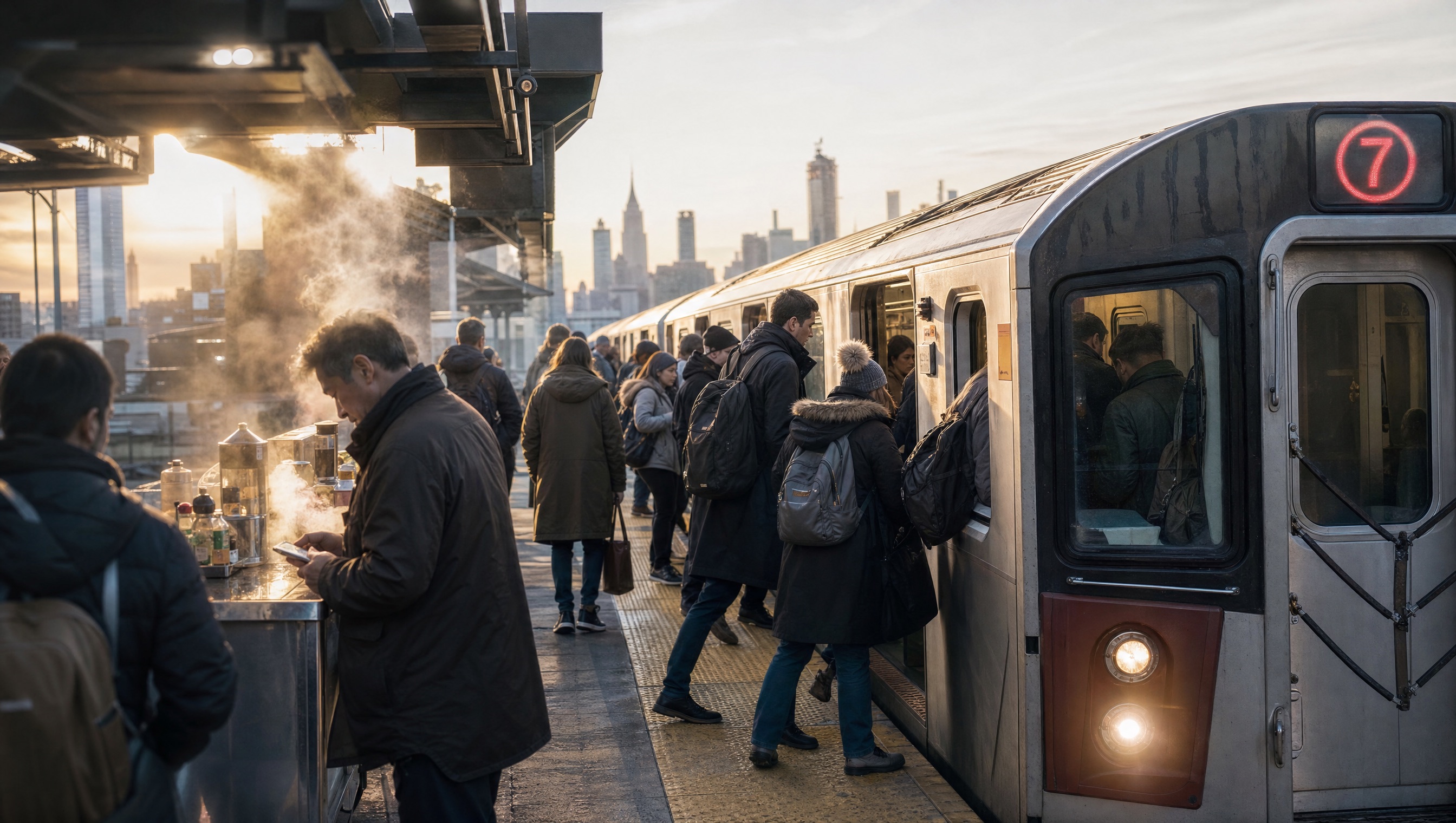
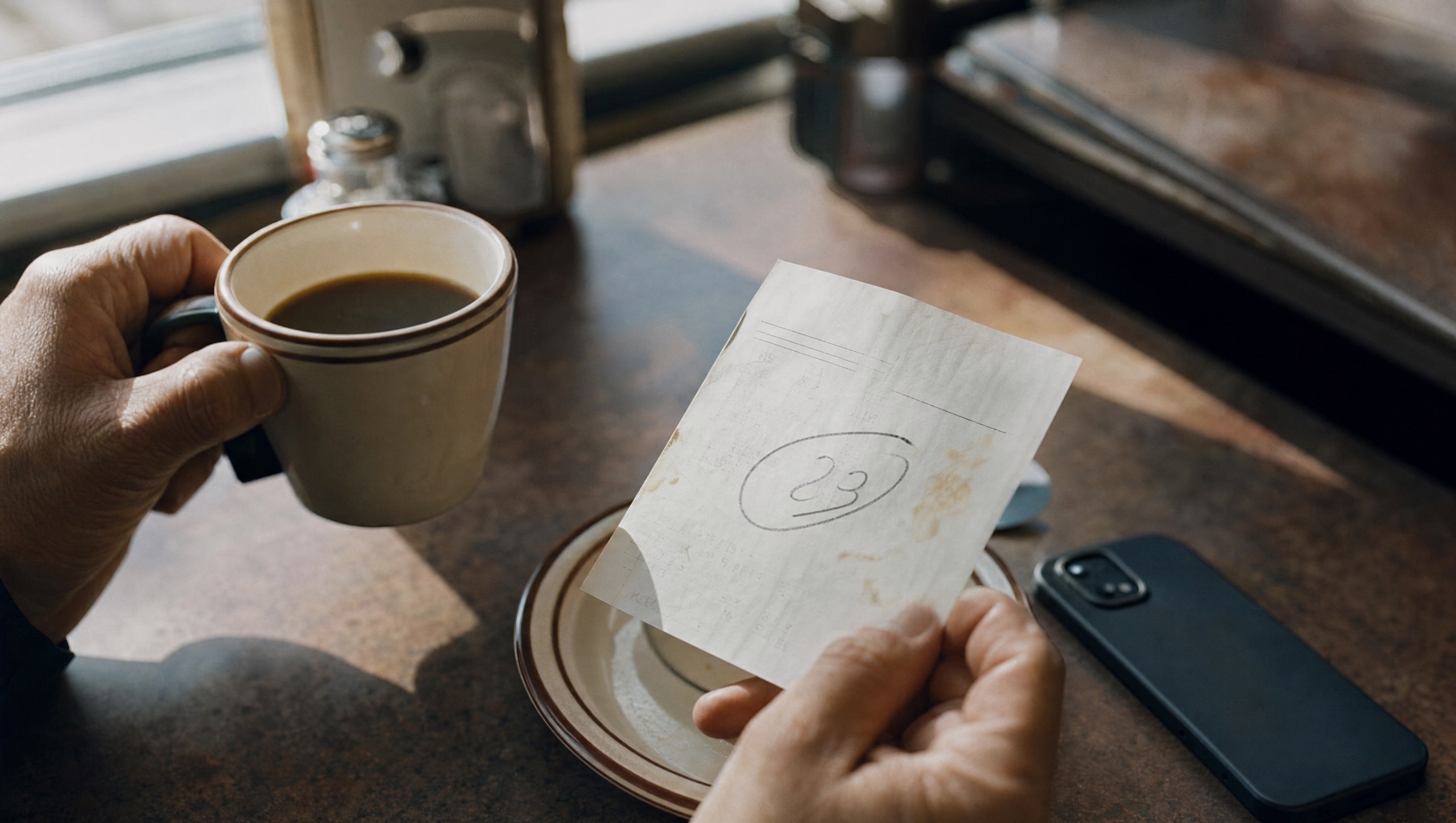
The 7 train is still letting off the first of the morning crowd at Junction Boulevard when Maribel Santos slides onto a counter stool at a diner on Broadway, badge clip still hanging from her scrub top, and unfolds the back of an old receipt. On it, in her own handwriting, is a number. Coffee at the counter costs $3 now; it cost $2 when she wrote the first version of the figure four years ago. The number has changed since. The looking has not. She checks it every morning, the way other people check the weather.
Santos, 44, works nights as a nurse in Elmhurst, which means her morning arrives at the end of everyone else's. The number is hers alone, a rough sense of what a day can hold before the month starts to slip, and she is deliberate about not dressing it up. "I'm not doing math at seven in the morning," she said. "I'm just looking. Looking is the whole thing." She says she has not been surprised by a Con Ed bill in two winters, and that the envelope she keeps for her mother's rent in Jackson Heights gets filled first now, not last.
Hers is not a story about earning more. The hospital pays what it pays, and the 7 runs whether or not she is on it. What changed, she says, is the order of her attention. On the walk to the station, past the fruit stands setting up under the elevated tracks and the check-cashing window with the flickering sign, she already knows whether the day is a green light or a yellow one. Most days, she says, that is the entire difference.
Tomorrow morning's edition walks through the five-minute routine step by step — plus the three numbers that don't matter. Free for subscribers.
Across Queens, in Astoria, Khaled Mansour keeps his number on the top sheet of a spiral pad tucked under the register of the corner store he has run for nineteen years on 31st Street, beneath the elevated line. He opens at 5:30, gets the coffee going, and looks at the figure before the construction crews come in. The register counts the store's money. The pad counts his. He is emphatic that the two are not the same, and that he spent a decade confusing them.
"The number doesn't tell me no. It tells me when."
"I can tell you what a gallon of milk cost in 1999 and what the distributor charged me yesterday," Mansour, 53, said, waving toward the dairy case. "Ten years ago I could not have told you what I myself spent in a day. Not close." He says the morning glance at the pad is slower than the morning glance at the news, and more useful. His suppliers raise prices on a schedule he cannot control; his own pace, he says, is the one line on the page that answers to him.
Inflation in the city has cooled from its peak, but nobody paying $3 for counter coffee or opening a Con Ed envelope experiences it as cool. Every person interviewed for this story mentioned the power bill without being asked. Researchers who study household budgets say the trio's ritual, as unglamorous as it sounds, shows up often in the households that hold steady when prices move. Dr. Renata Ibarra, a behavioral economist at Queens College, part of the City University of New York, has spent years on the question of why.
"Nobody gets a raise for paying attention," Ibarra said. "But measured across months, attention behaves like one. People who look at one number do not conjure new money; they change the timing of their choices, and timing is where budgets live or die." She is careful to add that looking is not a windfall and fixes nothing structural, that rent is still rent and the fare is still the fare. What it ends, she says, is the long week of not knowing, and in her data, not knowing is expensive.
In Bay Ridge, the number lives in pencil on an index card stuck to the refrigerator of a third-floor apartment off 86th Street. Eddie Burrell, 68, a retired MTA conductor who spent thirty-two years on the rails, the last stretch working trains along the R, gets up at six and reads the card before he reads anything else. His pension arrives on a fixed schedule, which he says makes the number matter more, not less. Some mornings he takes it to a diner on Fourth Avenue, where the coffee is $3.25 and the refill, at least for now, is still free.
"The number doesn't tell me no," Burrell said. "It tells me when." The figure on the refrigerator changes a few times a year, after a Con Ed adjustment or a birthday season with the grandchildren in Sunset Park. What does not change is the looking. "Thirty-two years I watched doors and signals," he said. "You learn one thing down there. The thing you watch is the thing you catch."
None of the three uses the same figure, and none knows what the others' numbers are. There is no app, no broadcast, no class; asked what to call the practice, each shrugged and reached for a different word. Santos calls it looking. Mansour calls it counting himself. Burrell calls it reading the card. The city's prices will do what they do. Tomorrow morning, in Elmhurst and Astoria and Bay Ridge, three people will look at three numbers before the day gets a vote, and the looking will be the point.
Last updated September 1, 2026. Reporting by Sarah Whitfield. Corrections: newsroom@nywebtimes.com.
Conversation (3)
My neighbor clipped this out of the paper edition and brought it over. That tells you something about how business lands with regular folks.
Longtime reader, first time commenting. This one got me. business affects my street directly.
Finally a paper willing to put business in plain language. Shared it with my brother, he never reads anything and he read this one.