Move the Car Once, Not Twice: Prospect Heights Pilot Tests a Gentler Alternate-Side Regime
 By Sarah Whitfield · August 27, 2026 · 4 min read · Edited by Dominic Ferreira
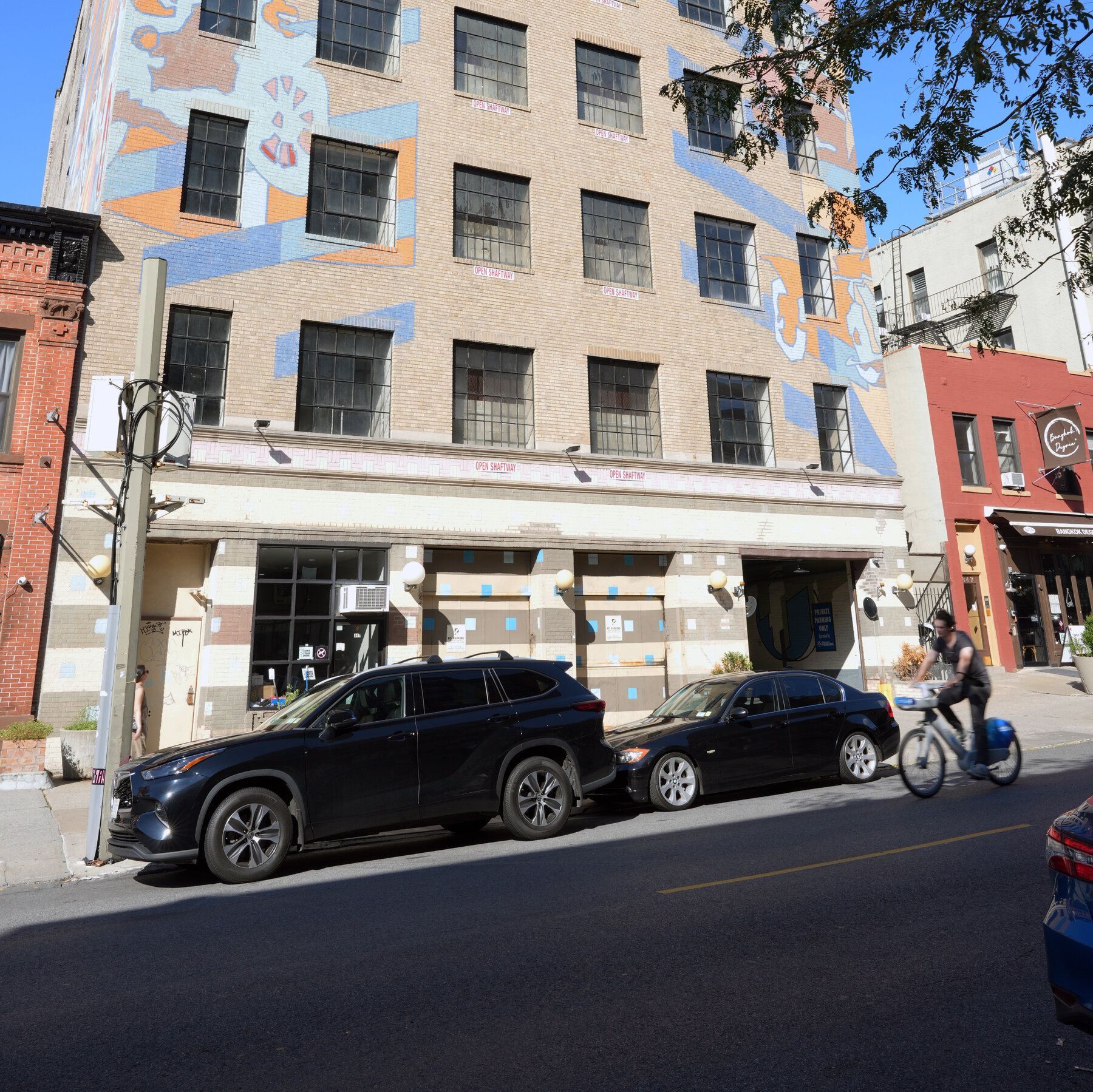
For generations of Brooklyn drivers, the ritual has ruled the week: the pre-dawn alarm, the shuffle of bathrobes and coffee cups to the curb, the double-parked idling until the mechanical sweeper groans past. This month, on a cluster of residential blocks in Prospect Heights, that ritual got cut in half. Under a pilot program run by the Department of Sanitation with the Department of Transportation, drivers on participating streets now move their cars once a week for street cleaning instead of twice — the most significant loosening of alternate-side parking rules the neighborhood has seen in years.
The pilot, which began in early August and runs through the fall, swapped out the familiar red-and-white signs on the selected blocks so that each side of the street posts a single weekly sweeping window rather than two. Sweepers will still run their usual routes, officials say; the difference is that cars must clear the curb only once per side. Sanitation inspectors will grade the blocks under the city's street-cleanliness scorecard system, and the agency plans to track ticketing totals, 311 complaints and the condition of catch basins to determine whether the lighter schedule leaves gutters measurably dirtier.
For car owners, the change lands like a quiet tax cut. A street-cleaning ticket in New York runs $65, and a driver who forgets one move a week can bleed more than $3,000 a year in fines before ever feeding a meter. Halving the required moves halves the exposure. On Facebook groups and at the curb this week, drivers traded the news with the disbelief usually reserved for a rent rollback.
Not everyone is celebrating. At a recent Brooklyn Community Board 8 meeting, which covers Prospect Heights, several residents warned that less frequent sweeping could mean more litter, more rats and storm drains choked with leaf sludge — no small worry after the flash floods that have swamped Brooklyn basements in recent summers. Sanitation supervisors have long argued that twice-weekly sweeping is precisely what keeps curb lines passable, and the union representing sanitation workers has questioned any rollback that would let debris accumulate between visits.
I got a morning of my life back.
The day’s essential NY Webtimes reading, in your inbox before breakfast. Free, no spam.
Beneath the brooms sits an older argument about who the rules are really for. Fewer than half of New York households own a car, and in Prospect Heights — ringed by subway lines, laced with bike lanes and home to the celebrated Vanderbilt Avenue Open Streets program — car owners are a distinct minority. Critics of strict alternate-side enforcement have long called it a regressive levy on the working- and middle-class drivers who keep cars for jobs the subway cannot reach, noting that a ticket costs the same $65 whether it lands on a contractor's van or a luxury sedan. Defenders counter that the entire block, car-free households included, pays when the gutters fill with trash.
New York has run this experiment before, by accident. In June 2020, with the city in lockdown, Mayor Bill de Blasio suspended the second weekly sweeping day and left alternate-side rules at once a week, and plenty of New Yorkers decided they preferred the lighter burden to the cleaner curb. Mayor Eric Adams restored twice-weekly sweeping in July 2022, arguing that streets had grown visibly filthier and that rat complaints had climbed; his sanitation department credited the return of the brooms with improved scorecard ratings. Council members skeptical of that claim have pushed legislation for years to make once-a-week sweeping permanent citywide, and they now see the Prospect Heights pilot as the test that could settle the fight.
Officials say they chose the neighborhood for its mix of block types — brownstone side streets, wider avenues, buildings with and without driveways — and for an engaged civic scene capable of generating reliable feedback. A Sanitation spokesperson said the agency wants data rather than anecdotes before recommending any broader change, and emphasized that the pilot alters parking rules, not sweeping schedules: the trucks will roll just as often, giving the blocks every chance to stay clean.
The pilot runs through November, and Community Board 8 has scheduled a public hearing in October to take testimony from drivers, pedestrians, cyclists and building supers, who often end up sweeping what the brooms miss. If cleanliness ratings on the pilot blocks hold within a narrow band of comparable streets nearby, the department could extend the once-weekly schedule to other neighborhoods as early as next spring. If the scorecard slides, the twice-weekly regime returns, signs and all.
On one block off Washington Avenue this week, a resident who has owned the same sedan for eleven years moved it on a Tuesday morning and then, for the first time she could remember, left it alone on Thursday. 'I got a morning of my life back,' she said, leaning on the fender. Whether the gutters will agree is a question the sweepers — and the scorecards — will answer one block at a time.
Last updated September 1, 2026. Reporting by Sarah Whitfield. Corrections: newsroom@nywebtimes.com.
Conversation (5)
Longtime reader, first time commenting. This one got me. metro affects my street directly.
Finally a paper willing to put metro in plain language. Shared it with my brother, he never reads anything and he read this one.
Sent this to our group chat and it started a whole argument. In a good way. More on metro please.
Was skeptical from the headline, won over by the end. That's rare these days with metro stories.
I've followed this newsroom for a while and the metro coverage is why I stay. Keep going.